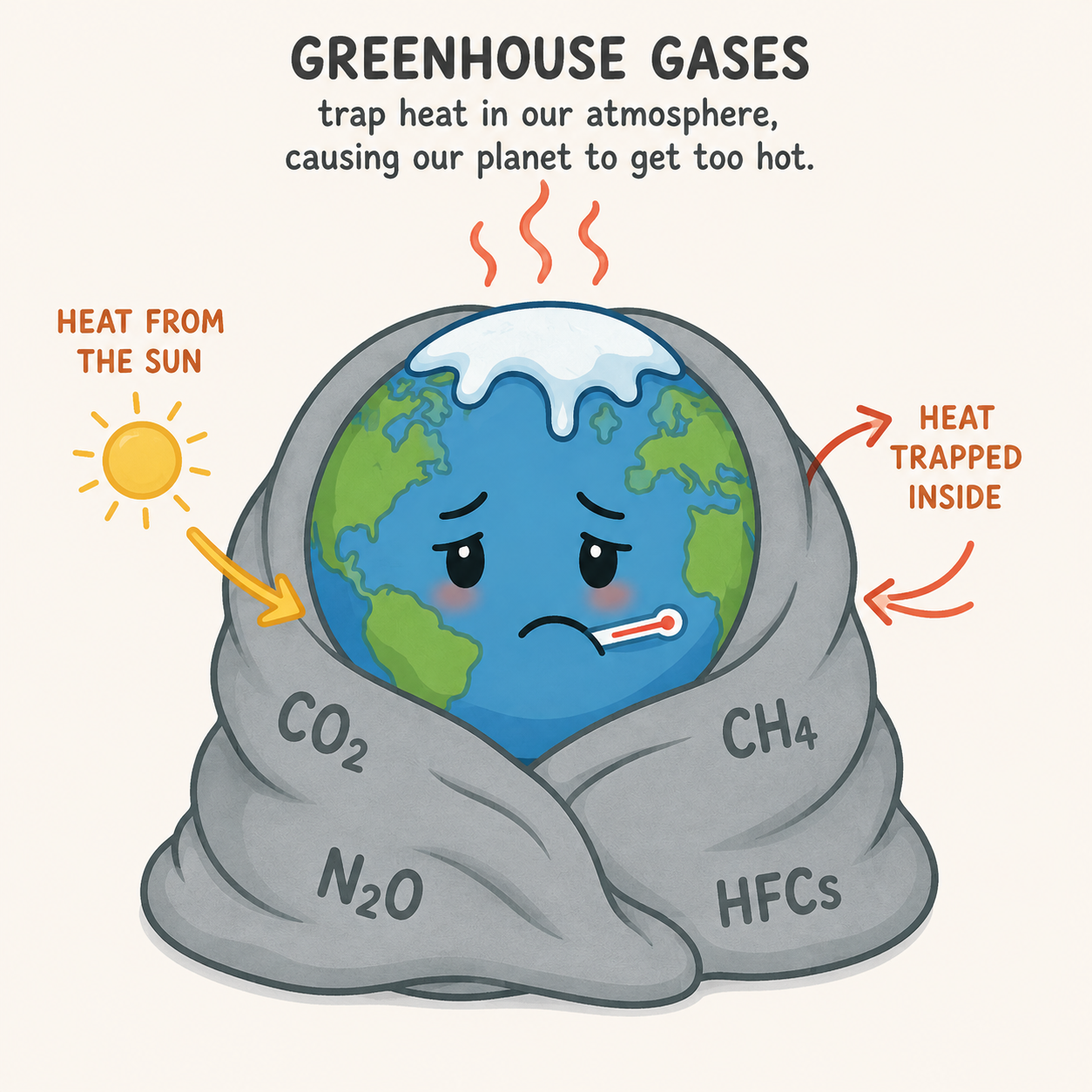
The Hitchhiker’s Guide to Climate Change
1Climatologist, Economist
2Physicist
3Retired Science Teacher & Climate Communicator
The Good Ancestor

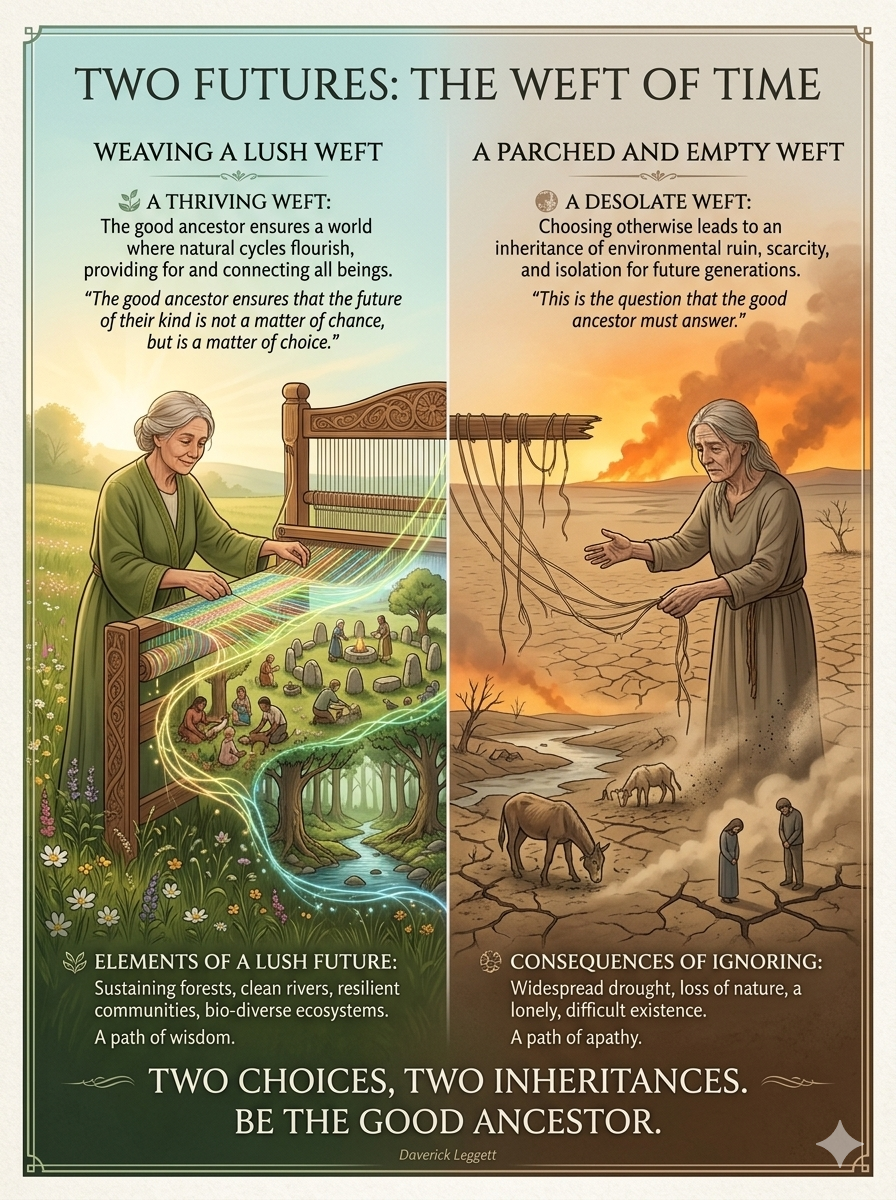
A poem by Daverick Leggett
Every day I walk a hundred years
to the hill where my great, great granddaughter sits.
I carry words of blessing
and reach to touch her back.
But feeling me near she turns,
sad-eyed and heavy with grief.
“What was it like?” she asks,
“when the great whales swam,
when the birds sang you awake,
when the rains came soft,
and the soil smelled sweet underfoot?”
And the blessings
catch in my throat.
On darker days she turns,
her famished face charred, and eyes
sunk in their bony orbits,
burn with curses.
And the blessings
froth at my mouth
with the poisonous
spume of betrayal.
On the darkest of all days
I walk the hundred years
and find no one there.
Let today be the bright day.
Let today be the bright day
I lay my hand upon her back.
And, feeling me near, she turns
and blesses me, saying,
“Your love was fierce enough,
sweet ancestor,
your love was fierce enough.”
Human CO2 Climate Change: All You Need to Know
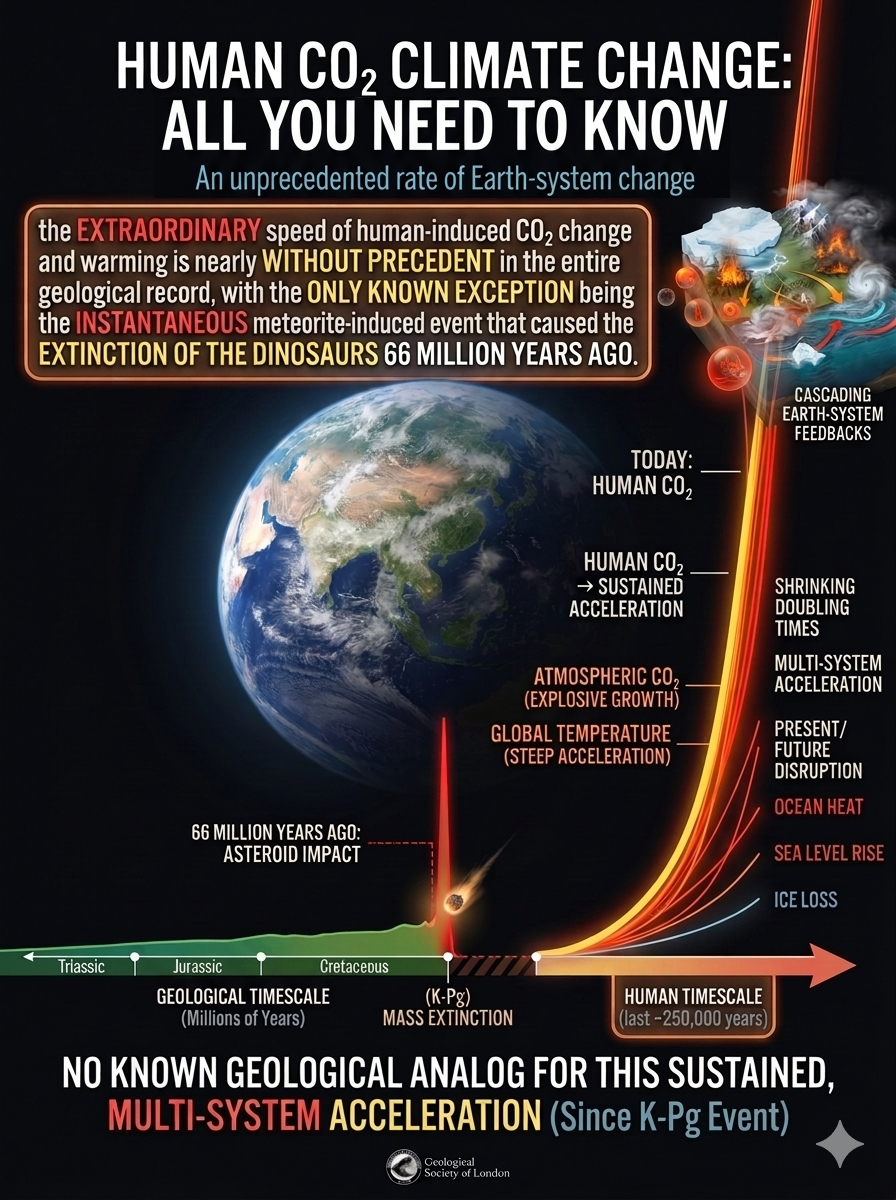
An unprecedented rate of Earth-system change.
The Geological Society of London (the UK’s expert association of professional geologists since 1807) says:
“…the current speed of human-induced CO2 change and warming is nearly without precedent in the entire geological record, with the only known exception being the instantaneous, meteorite-induced event that caused the extinction of non-bird-like dinosaurs 66 million years ago” (H/T Rocky Rex)
We’ve arrived at a very similar observation in our own work, but I don’t think I’ve seen it stated this clearly—or published elsewhere. Thanks, Rocky, for helping to illuminate it.
Juxtapose the two and let me know whether the comparison can be communicated more effectively.
Multiple climate indicators now point to rates of warming-related disruption far beyond those observed during the modern instrumental era.
There is no well-established geological analog for a sustained, multi-variable, decade-scale pattern of accelerating change across the full Earth system at the resolution available in contemporary observations. If sustained, this may represent one of the most abrupt large-scale climate transitions in Earth’s geological history.
Rocky replied:
I’ve been citing that for a long time, and I’m always impressed by how many people can totally ignore it. It’s very much the scientific version of “The Good Ancestor” poem, it should hit people between the eyes and wake them up. All the signs are that we are entering an abrupt climate change process. Have I told you this true story before?
In the mid 1950s, Russell Coope was looking for a PhD project after graduating as a geologist. He noticed beetle remains in ice age deposits in a gravel pit in the UK Midlands. His supervisor, Prof Fred Shotton, said something like: “I expect they are just modern beetles that have got stuck to the surface.” Fred was wrong – a rare event.
Coope decided to base his PhD on recording what kinds of beetles there were in different ice age deposits, to see where it led. He discovered that the mix of beetles was linked to the temperatures at that time.
He did this by comparing his layer-by-layer collections with collections of beetles from different places in the modern world – beetles happen to evolve very slowly, so the actual variety of beetles hasn’t changed much over the last million years or so.
As his research proceeded, Coope was shocked to find that the beetles showed that at times, during the ice ages, temperatures had changed significantly in just a few decades – his beetles showed that the Earth’s climate is not fundamentally stable.
He had discovered abrupt climate change events, a previously unknown phenomenon. Geologists had always assumed that most processes were slow.
I had the good fortune to be a student in Coope’s palaeontology lectures long ago… and also in Fred’s physical geology lectures. In 1943, Fred Shotton was involved in a secret project that produced geological maps of certain beaches in northern France…… that’s a movie that should be made by someone.
“We are messing with the trigger that causes climate change….the outcome is likely to be ferocious.”
– Professor Russell Coope (1930-2011)
Russell Coope and his ice age beetles:
The Water Cycle Is Supercharged
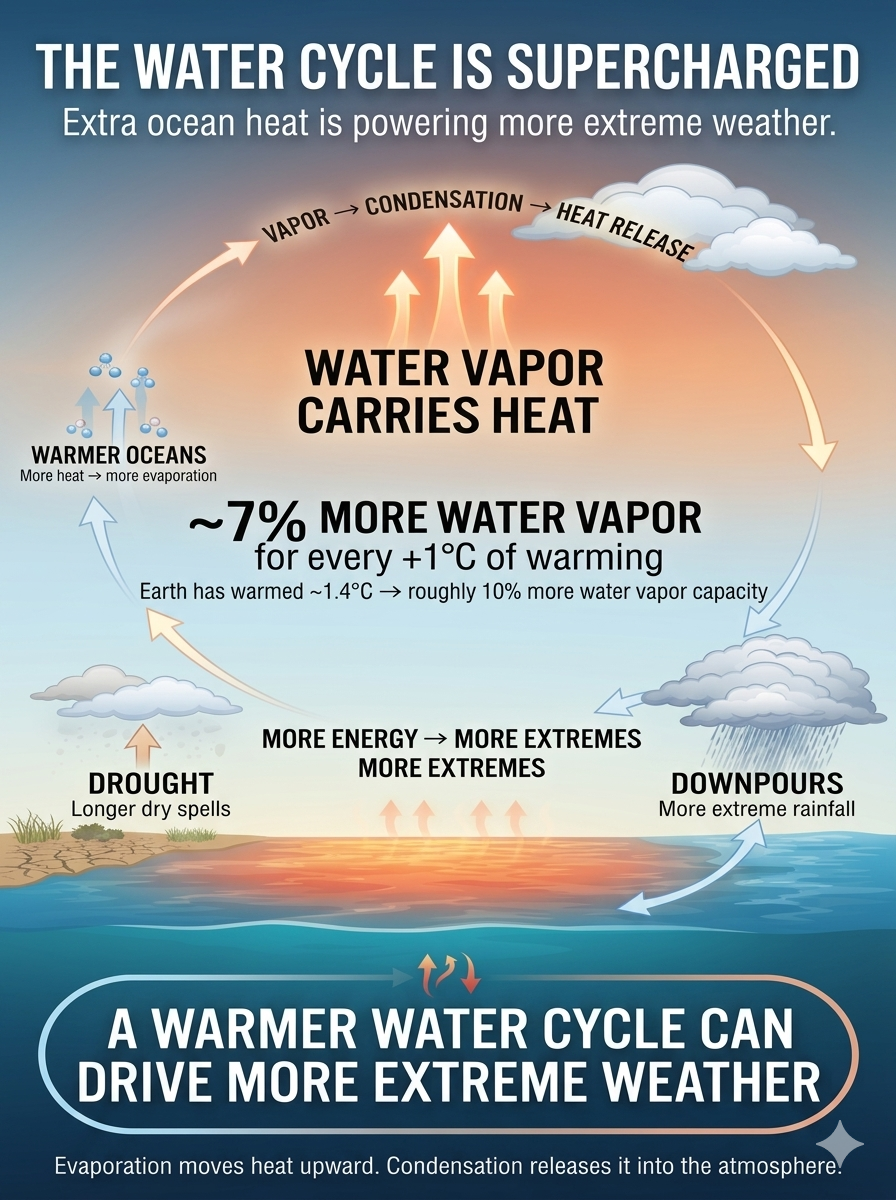
One way to understand climate change as a whole is to look at the water cycle, because most of us learned about it in school.
Today, the water cycle is being supercharged by the additional heat accumulating in the oceans.
Warmer seas produce more evaporation, and that additional water vapour* carries more heat high into the atmosphere. As the water vapour rises and condenses to form clouds, it releases that stored heat into the surrounding air. The result is weather systems that can become more energetic and more chaotic. Like other components of the climate system, the water cycle appears to be producing greater extremes: prolonged droughts on one end and sudden, extreme rainfall events on the other.
*The atmosphere can hold about 7% more water vapour for each additional 1°C of average global temperature. With roughly 1.5°C of warming, that means the atmosphere can hold about 10% more water vapour. Changes of state, such as evaporation and condensation, involve large amounts of heat. In physics, this is called latent heat.
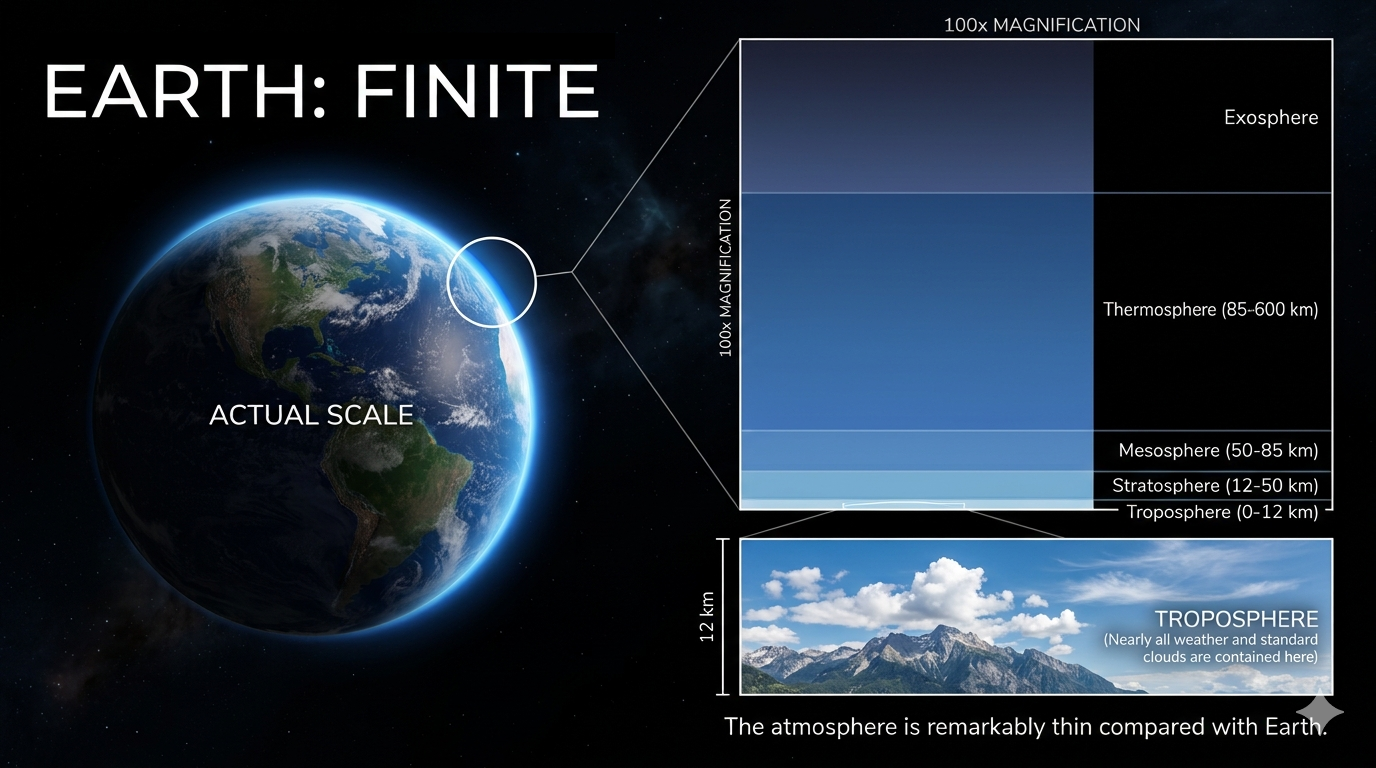
The Air Is Thin
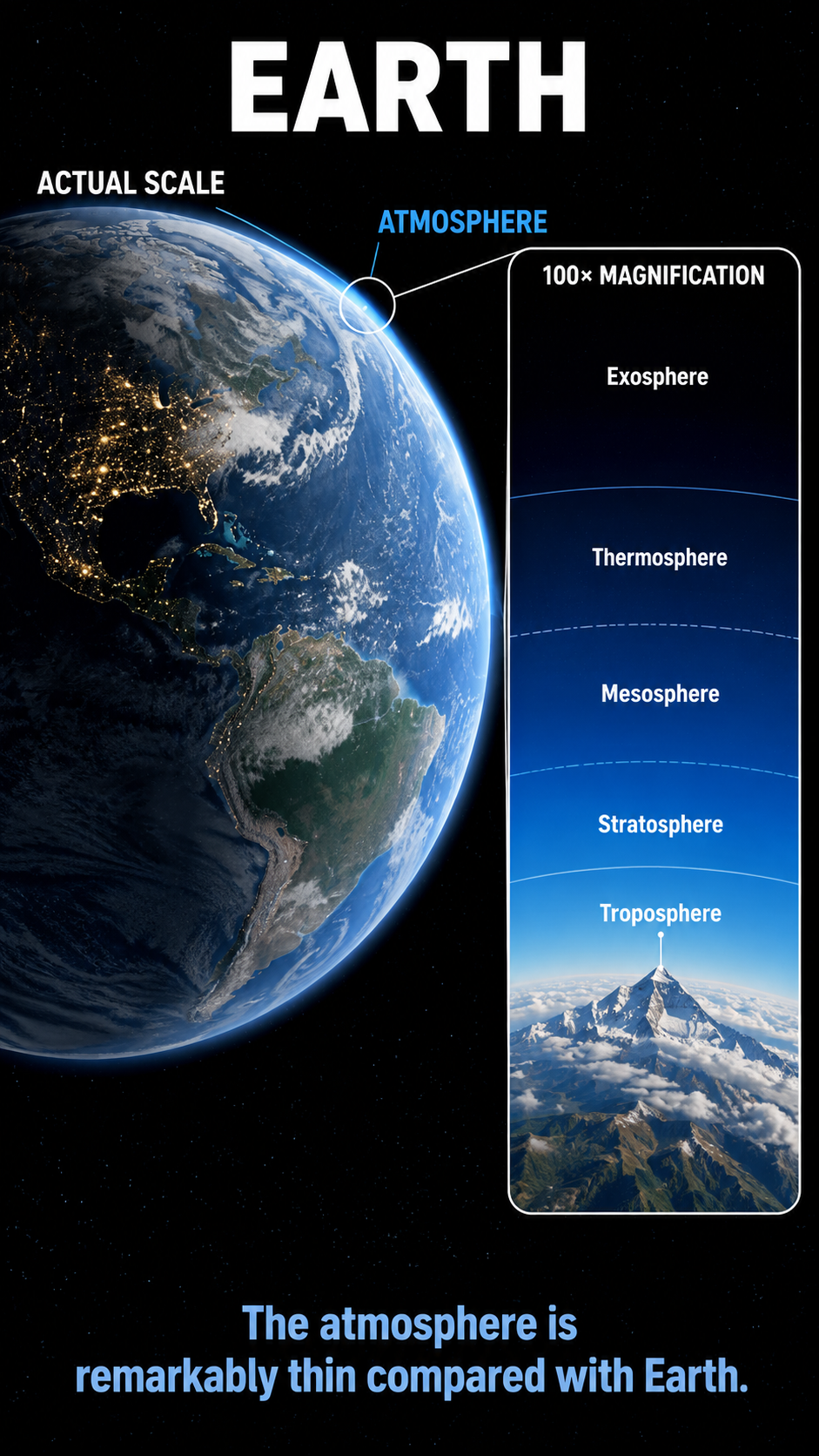
Our system gives little or no value to global commons such as the atmosphere and oceans because they are not treated as “scarce commodities.” One oak tree doesn’t seem to matter because there are vast numbers of oak trees.
Pumping sewage into the sea doesn’t seem to matter because the ocean is so vast.
Pumping CO2 into the atmosphere doesn’t seem to matter because the air seems limitless.*
This is a mythological view of the world. And people often prefer myths to facts, because facts don’t obey wishes.
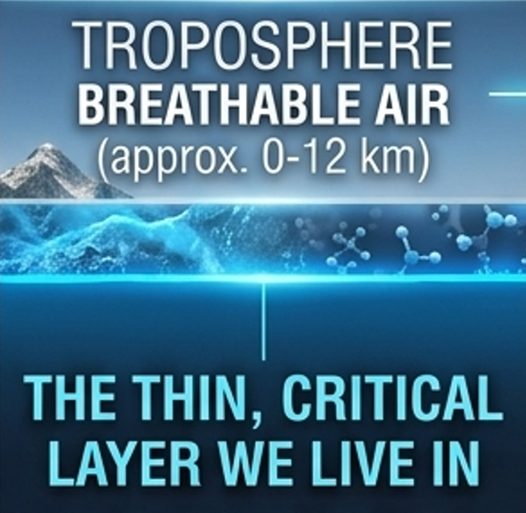
*In fact, if there were a lift that could travel vertically at the speed of a fast car, within minutes you would need breathing equipment.
— Rocky Rex
Quotes: The Overview Effect
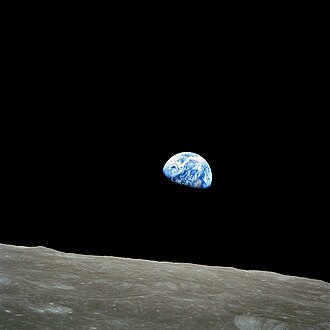
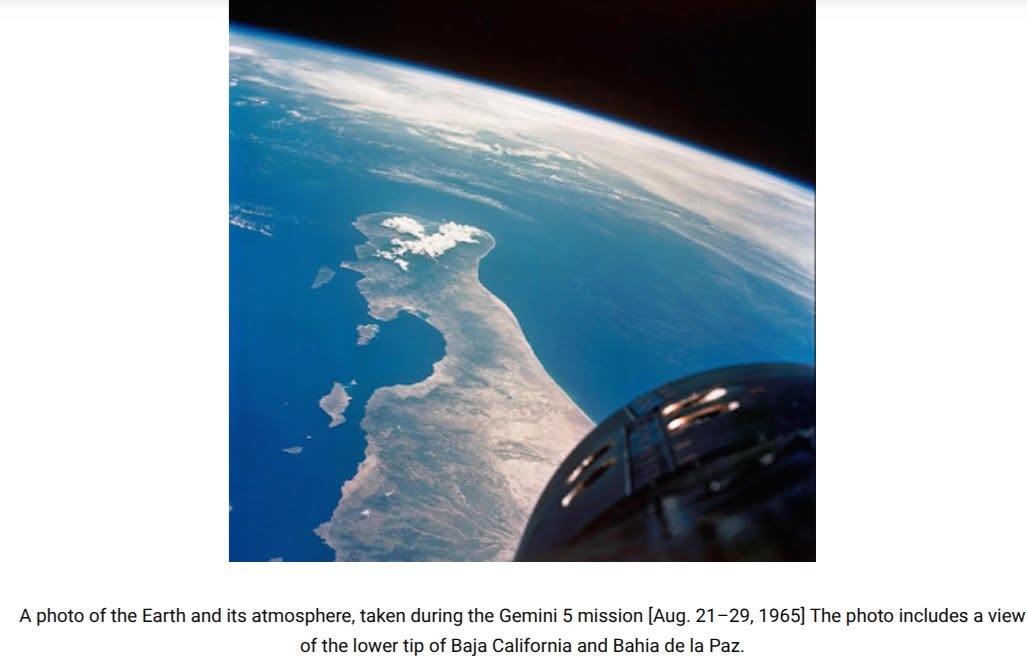
"Look again at that dot. That's here. That's home. That's us... Our posturings, our imagined self-importance, the delusion that we have some privileged position in the Universe, are challenged by this point of pale light. Our planet is a lonely speck in the great enveloping cosmic dark." -- Carl Sagan
"Orbiting Earth in the spaceship, I saw how beautiful our planet is. Mankind, let us preserve and increase this beauty, not destroy it!" -- Yuri Gagarin
"The thing that really surprised me was that it [Earth] projected an air of fragility. And why, I don’t know. I don’t know to this day. I had a feeling it’s tiny, it’s shiny, it’s beautiful, it’s home, and it’s fragile." -- Michael Collins (Apollo 11 Astronaut)
"You develop an instant global consciousness, a people orientation, an intense dissatisfaction with the state of the world, and a compulsion to do something about it. From out there on the moon, international politics look so petty. You want to grab a politician by the scruff of the neck and drag him a quarter of a million miles out and say, ‘Look at that, you son of a bitch.’" -- Edgar Mitchell (Apollo 14 Astronaut)
"When we look down at the earth from space, we see this amazing, indescribably beautiful planet. It looks like a living, breathing organism. But it also, at the same time, looks extremely fragile... I saw the paper-thin layer of our atmosphere that protects all living things on Earth from the harshness of space." -- Ron Garan (ISS Astronaut)
William Shatner’s experience seeing Earth from space is one of the most famous and raw modern examples of the Overview Effect. "My trip to space was supposed to be a celebration; instead, it felt like a funeral. I discovered that the beauty isn’t out there, it’s down here, with all of us. Leaving that behind made my connection to our tiny planet even more profound."
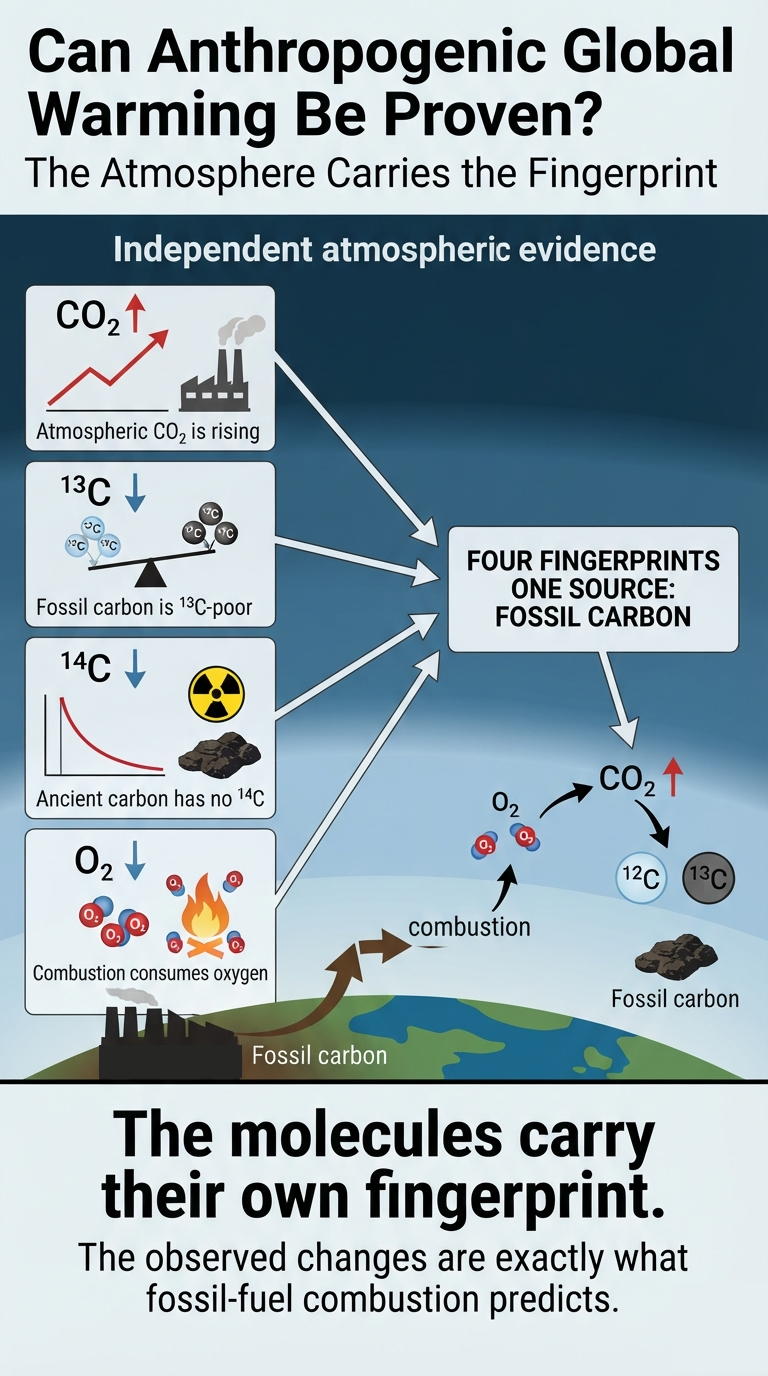
Can Anthropogenic Global Warming Be Proven?
Yes.
The isotopic signature of atmospheric carbon dioxide provides direct evidence.
Fossil carbon is depleted in 13C and contains essentially no measurable 14C (radiocarbon), because 14C decays over thousands of years.
Observed atmospheric trends show:
- A measurable decline in the 13C/12C ratio
- A measurable decline in atmospheric 14C concentration
- A measurable decline in atmospheric O2 concentration
These shifts form a remarkably consistent fingerprint.
The carbon isotopes tell us where the additional carbon is coming from. Fossil fuels were formed from ancient biological material and therefore have a characteristic isotopic signature: relatively little 13C and virtually no 14C. As fossil carbon is added to the atmosphere, the atmospheric CO2 isotope ratios shift in precisely the direction expected from fossil-fuel combustion.
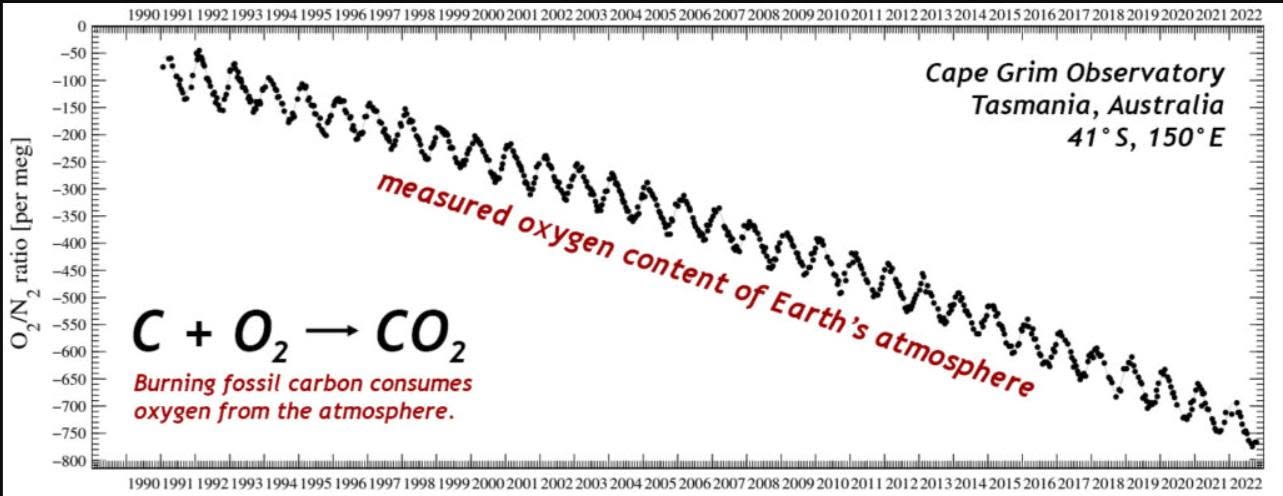
The decline in atmospheric oxygen provides an independent piece of evidence.
When fossil fuels are burned, carbon combines with atmospheric oxygen:
C + O2 → CO2
The process consumes O2 and produces CO2. Because the additional atmospheric CO2 is accompanied by a measurable decline in atmospheric O2, the observations are consistent with large-scale combustion of carbon rather than simply a redistribution of carbon through the natural carbon cycle.
This is especially important because the ocean, vegetation, and atmosphere continuously exchange carbon and oxygen. Natural processes can move carbon between reservoirs, but they do not explain the simultaneous long-term pattern of rising CO2, falling O2, declining 13C/12C, and declining radiocarbon.
The four observations reinforce one another:
Rising atmospheric CO2
↓
Declining 13C/12C
↓
Declining 14C
↓
Declining atmospheric O2
Together, these measurements provide a chemical and isotopic fingerprint of fossil-carbon combustion.
Volcanoes do not produce the observed isotopic pattern, and the natural carbon cycle cannot account for the simultaneous changes in the required direction and magnitude.
The molecules carry their own fingerprint—and the atmosphere is preserving the evidence in both carbon and oxygen.
The Rate of Climate Change vs. Our Ability to Adapt
Perhaps one of our most important collaborations with Rocky Rex.
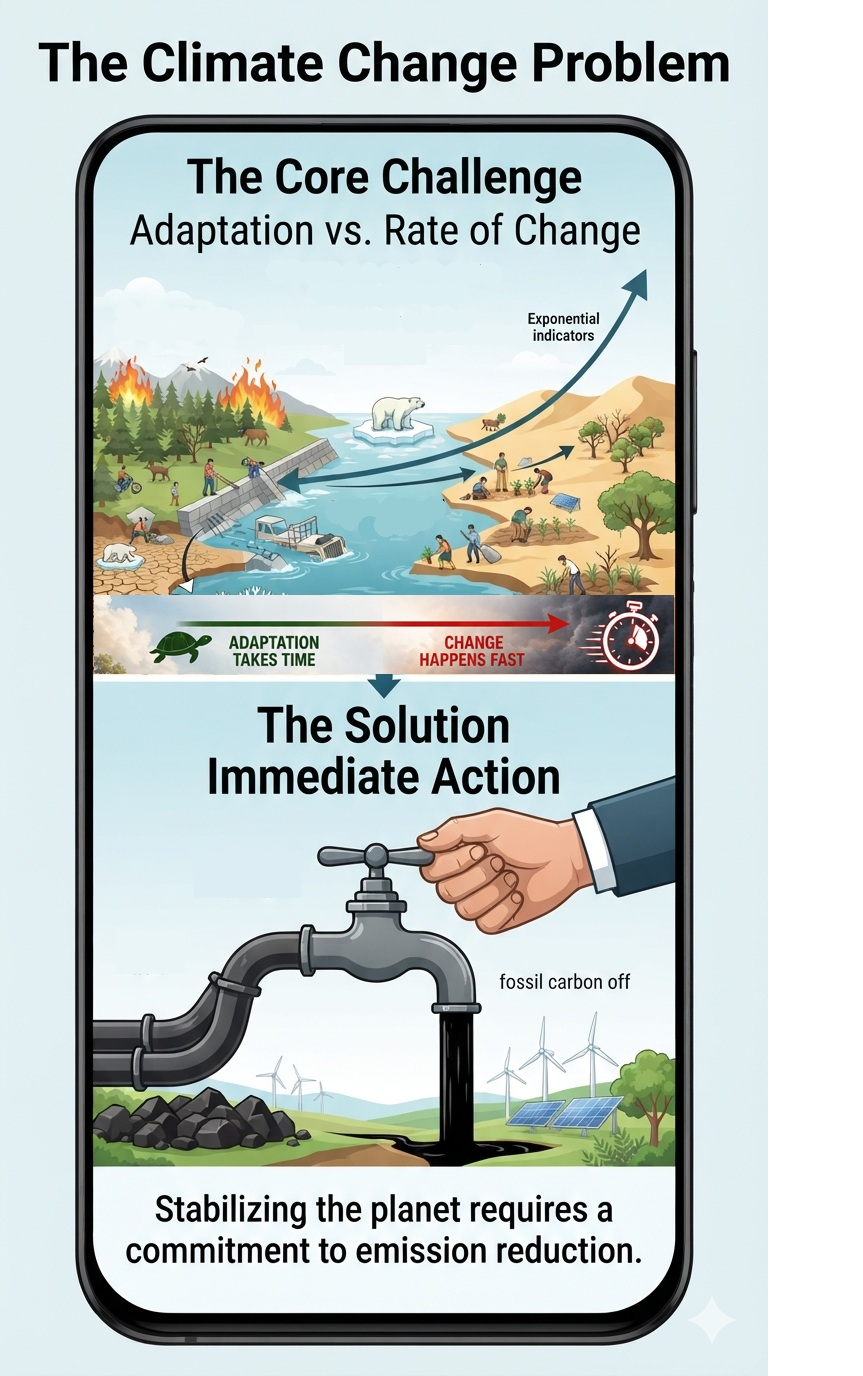
THE CLIMATE CHANGE PROBLEM looks at the central challenge in simple terms: adaptation takes time, but climate change is happening faster.
“...the current speed of human-induced CO₂ change and warming is nearly without precedent in the entire geological record, with the only known exception being the instantaneous, meteorite-induced event that caused the extinction of non-bird-like dinosaurs 66 million years ago.”
The solution is equally straightforward: turn off the fossil-fuel spigot.
Stabilizing the planet requires a commitment to emission reduction.
A new visual collaboration with Rocky Rex—bringing the science, the message, and the urgency together in one graphic.
Demand Destruction

Demand destruction is a permanent or long-lasting decline in consumer demand for a commodity—most often oil or energy—triggered by a prolonged period of high prices or restricted supply. When costs surge, buyers either stop using the good or permanently switch to alternatives, like electric vehicles or fuel-efficient technology.
As both a climatologist and an economist, I’m less concerned with setting a specific date for eliminating fossil fuels than with changing the economic forces that sustain fossil-fuel demand. I’m unlikely to change the minds of the roughly 20% of Americans who are ideologically committed to policies that accelerate climate change. But that leaves roughly 80%—and economics can do much of the work.
Integrated Climate Stewardship begins with reducing unnecessary consumption. Consumerism drives energy demand, resource extraction, pollution, and habitat destruction. The less we consume, the less pressure we place on the climate and the ecosystems that sustain us.
Today, perhaps only ~0.5% of Americans are seriously pursuing a structured net-zero lifestyle through continuous behavioral reductions and intentional balancing. But when people discover that reducing their climate impact can save them thousands of dollars a year while leaving a healthier environment for their children and grandchildren, behavior can change.
When the remaining ~79.5% begin voting with their dollars, fossil-fuel demand falls. That demand destruction reduces the economic incentive to produce fossil fuels.
Demand destruction is the transition away from fossil fuels.
Demand Destruction Multimedia Music Album
Cliamte Debt Collection
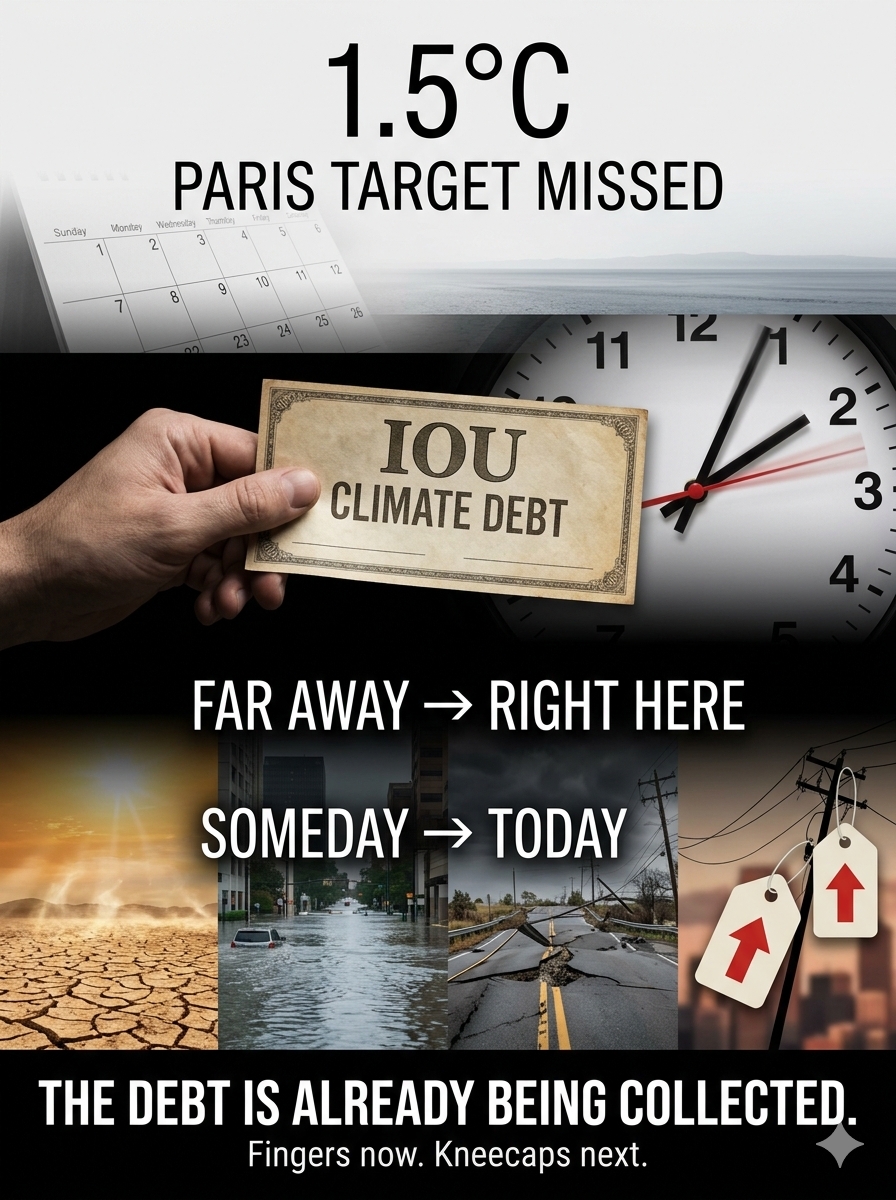
What happens when we miss the 1.5°C Paris target?
Think of it like owing money to a loan shark.
The debt doesn’t wait decades to be collected.
Our fingers are being broken now.
Our kneecaps are next.
One of the biggest challenges in communicating climate change is proximity—both in time and location.
If the consequences seem far away, people dismiss them.
If they’re happening somewhere else, people ignore them.
But climate change is moving from:
future → present
and
somewhere else → right here.
We missed the 1.5°C Paris target. The climate debt is already being collected.
How much pain do we need to feel before we pay attention?
Clean Energy Economy
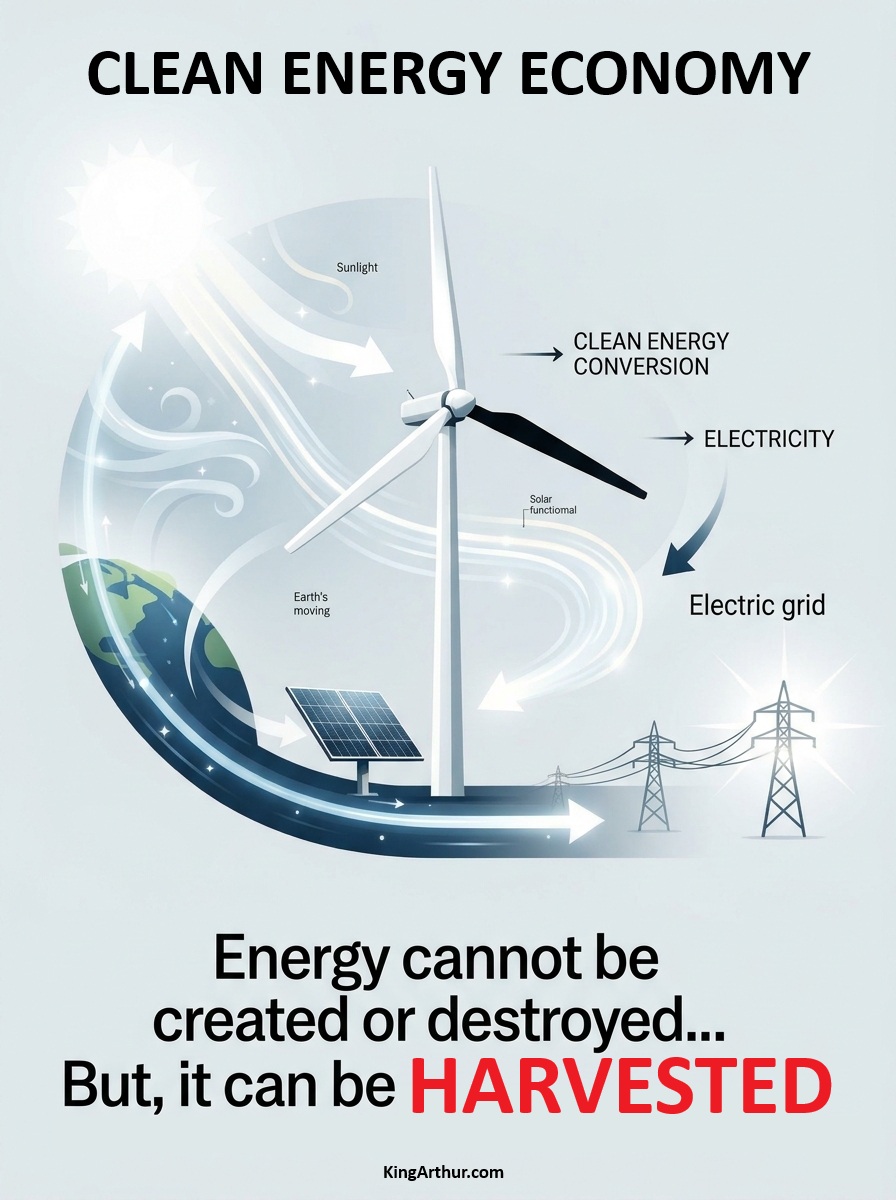
THE ENERGY IS ALREADY THERE.
THE CLEAN ENERGY ECONOMY HARVESTS IT.
Energy cannot be created or destroyed. But it can be harnessed, converted, stored, transmitted, and used.
The sun is already delivering enormous amounts of energy to Earth.
The atmosphere is already moving.
Winds are already blowing.
Waves and currents are already moving.
The challenge isn’t creating energy from nothing. It is building systems that efficiently capture naturally available energy and convert it into useful electricity.
That is the basic idea behind a clean energy economy:
SUN + WIND + MOVING EARTH
↓
ENERGY HARVESTING
↓
ELECTRICITY
↓
STORAGE + TRANSMISSION
↓
USEFUL WORK
A wind turbine doesn’t create wind. A solar panel doesn’t create sunlight.
They harvest energy that is already moving through the Earth system and convert it into a form we can use.
The economic opportunity is therefore not simply replacing one fuel with another.
It is building an economy around capturing, converting, distributing, storing, and using energy that is already available.
THE ENERGY IS ALREADY THERE.
THE CLEAN ENERGY ECONOMY HARVESTS IT.
The Climate Protests
A Poem by Rocky Rex
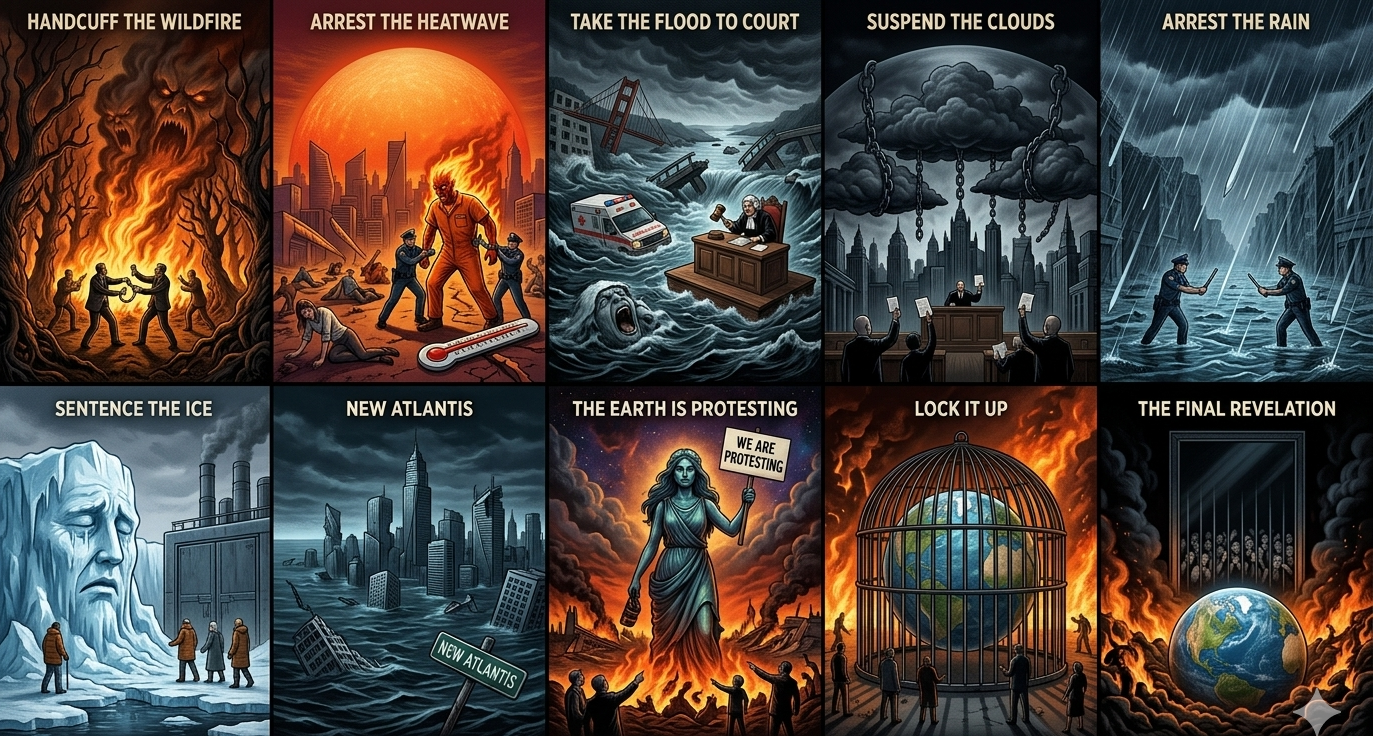
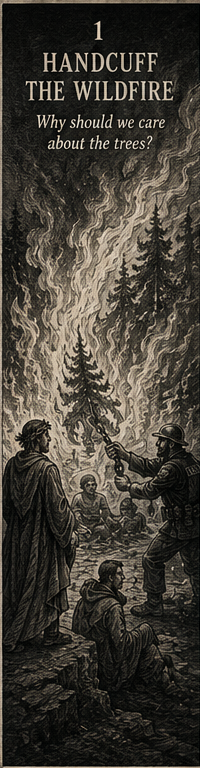
“Handcuff the wildfire.
Why should we care about the trees?
What did the birds ever do for us?
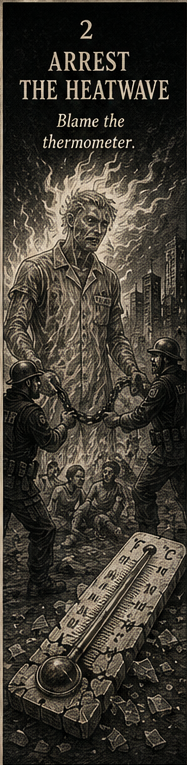
Dress the heatwave in an orange jumpsuit.
It is probably a fault in the thermometer anyway.
These scientists – what do they know?
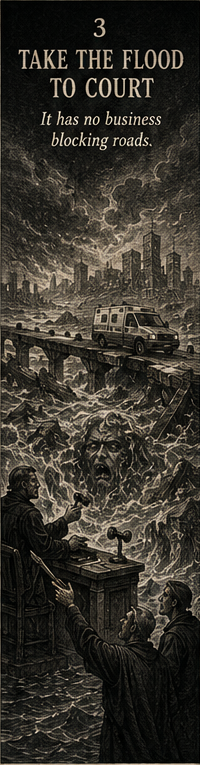
Take the flood to court.
It has no business blocking roads, or sweeping away bridges.
What if an ambulance was stuck on the wrong side of the river?
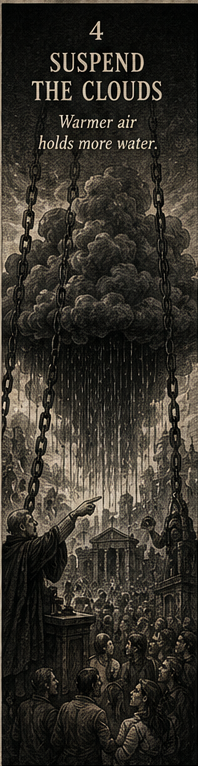
Give the clouds a suspended sentence.
They are trying to remind us that a warmer world has wetter air. They should go and tell China, not us.
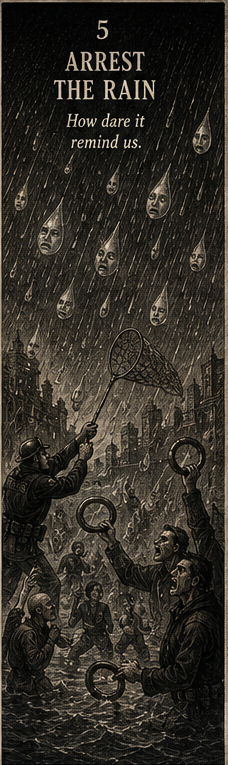
Arrest the rain.
How dare it remind us that the climate is changing?
Let’s pretend it always rained like this.
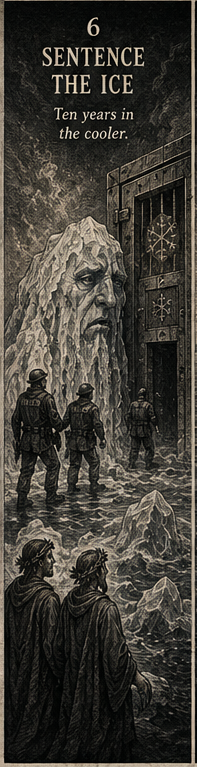
Sentence the melting ice to 10 years in the cooler.
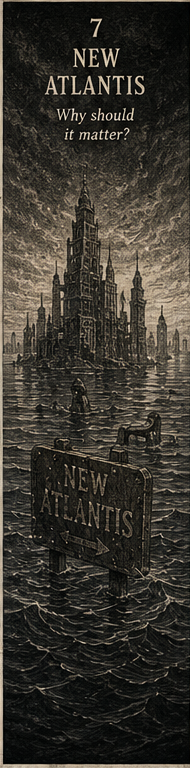
Why does it matter if the sea floods Bangladesh?
And Miami can be the New Atlantis.
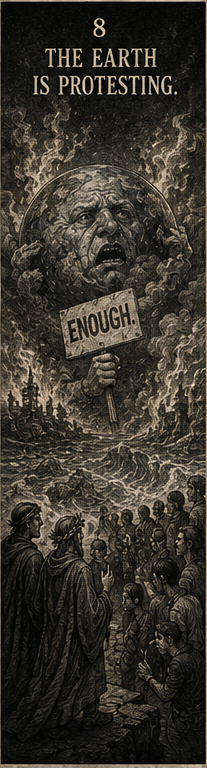
The Earth is protesting?
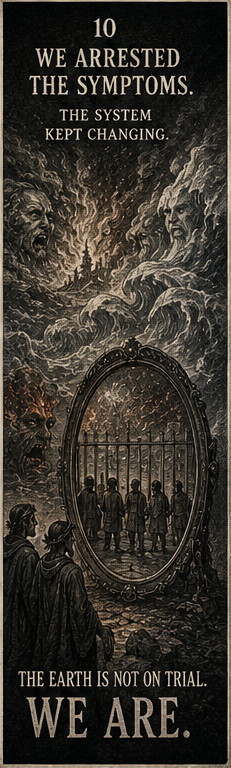
We are not interested – just lock it up.”

About Rocky Rex
I was a science teacher for a long time—and I taught geology when I could. Rocky Rex began as a poster on my lab wall. I was given a T. Rex poster, and as soon as I pinned it up, I knew he was called Rocky Rex. The name just came to me, out of nowhere.
He gave a focus for information added to his notice board. He ended up making money for school funds by appearing on T-shirts, pens, key rings, etc.
It wasn’t long before some of the other staff started calling me Rocky. This was all long before the internet existed, but when social media appeared, it just seemed obvious that my avatar would be Rocky Rex. I like keeping my online stuff slightly disconnected from my offline life.
I actually did a physics degree, but we had to take an “additional science” course in the first year, so I chose geology. It was the same geology course taken by those doing a joint degree in geology and archaeology.
Easy-to-Read Resources