How Is the Climate Energy Hitting You?
The $13 Billion Northeastern U.S. Nor’easter
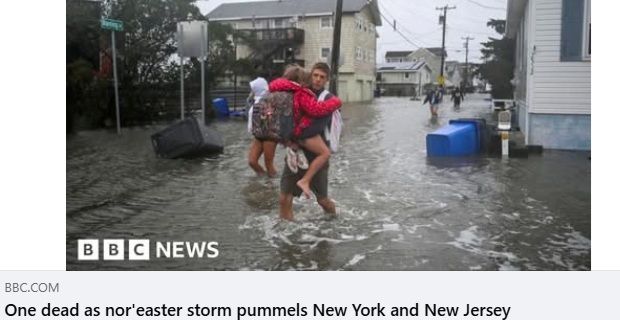
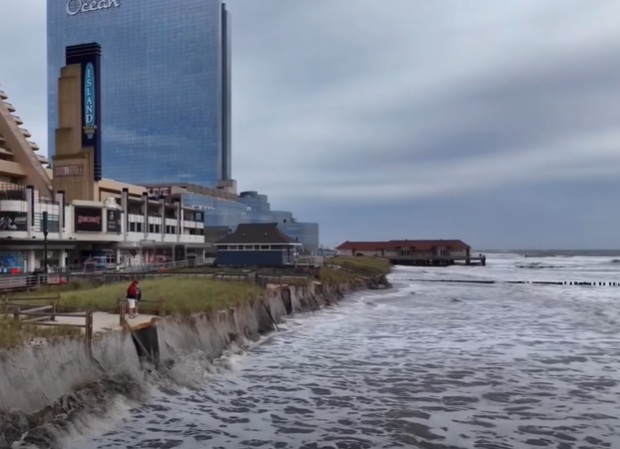
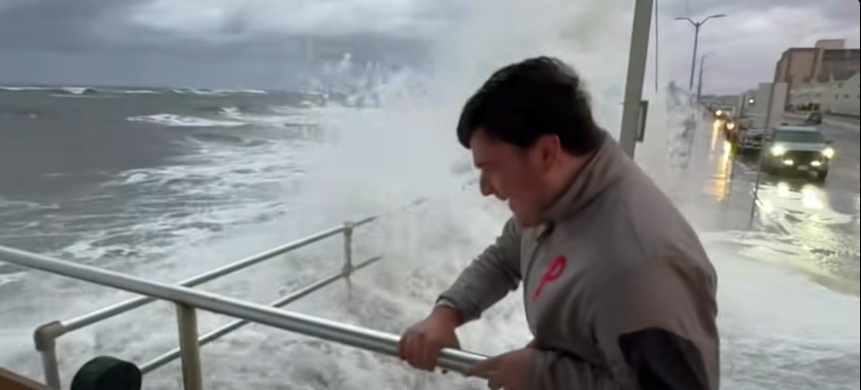
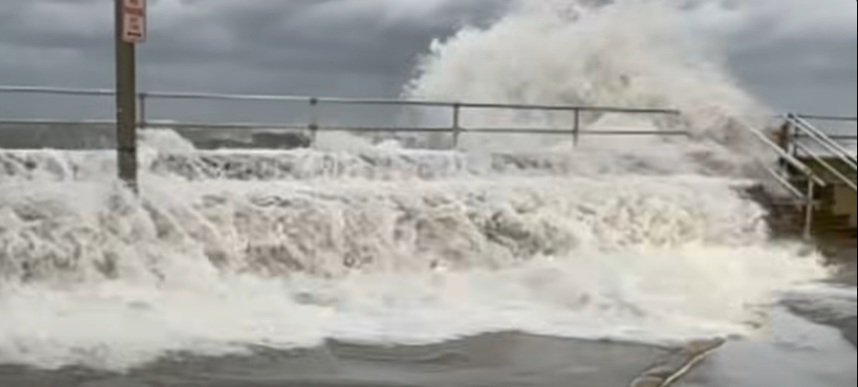
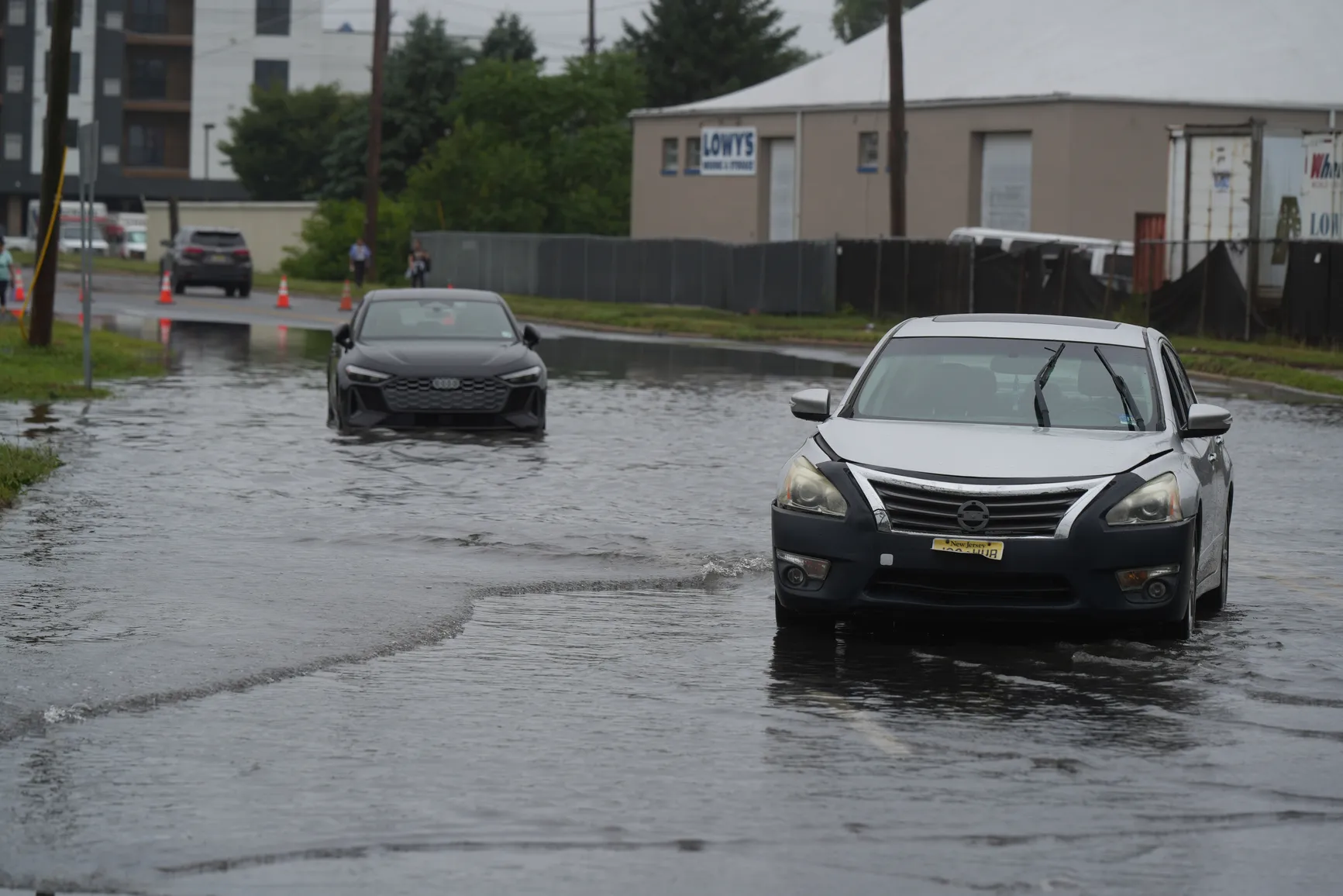
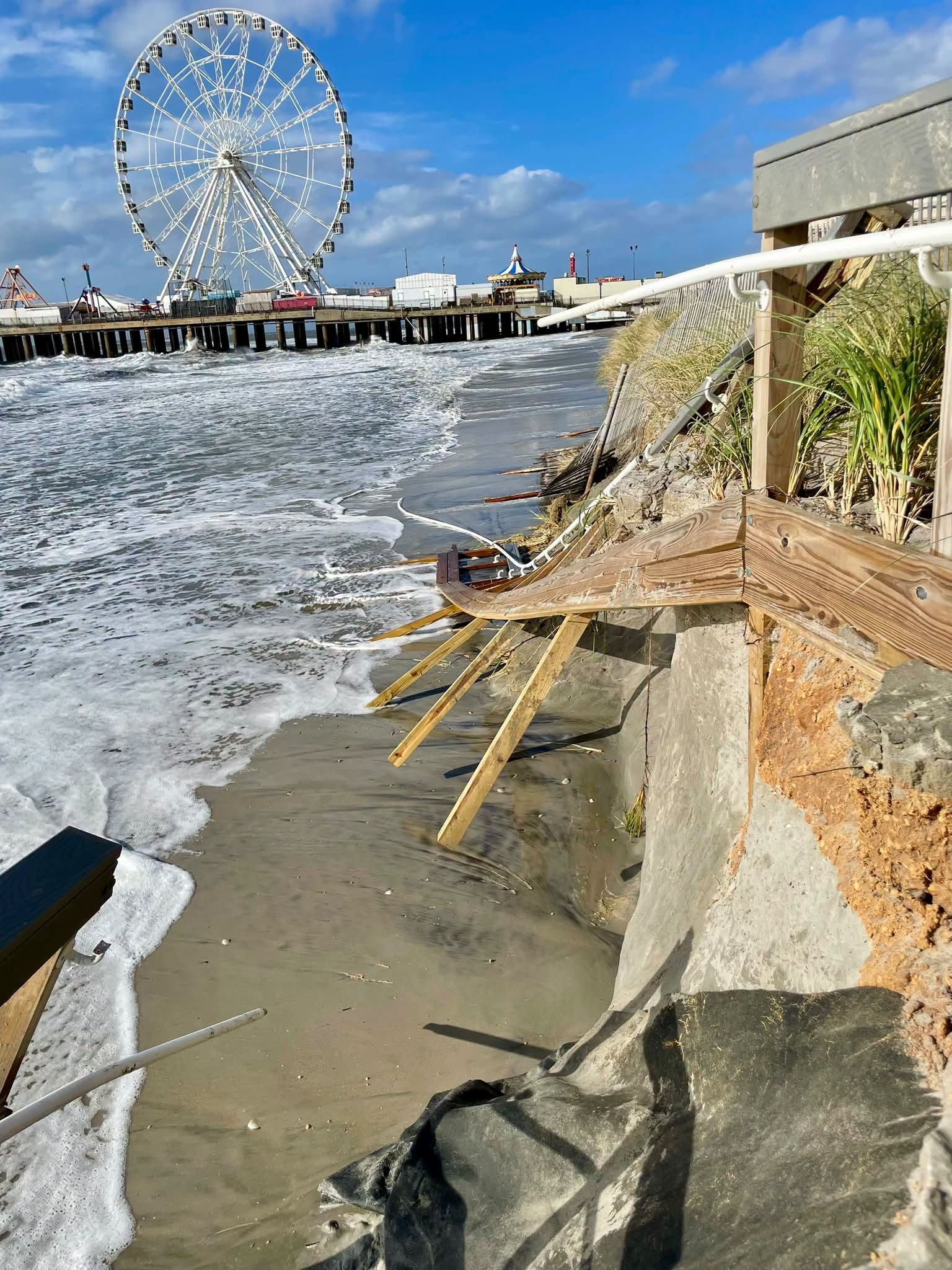
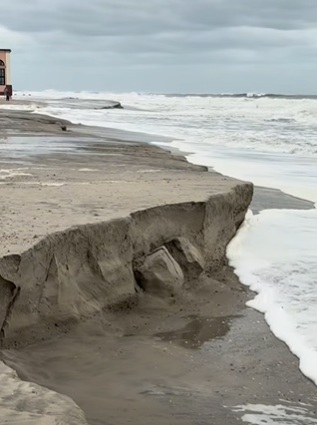
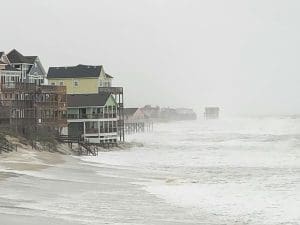
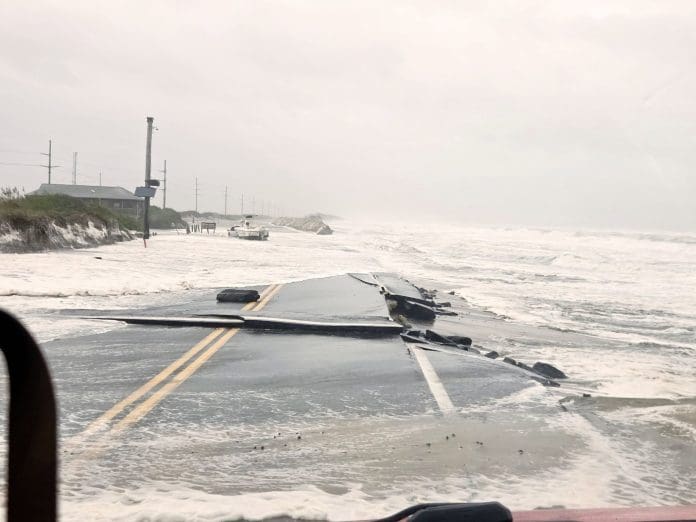
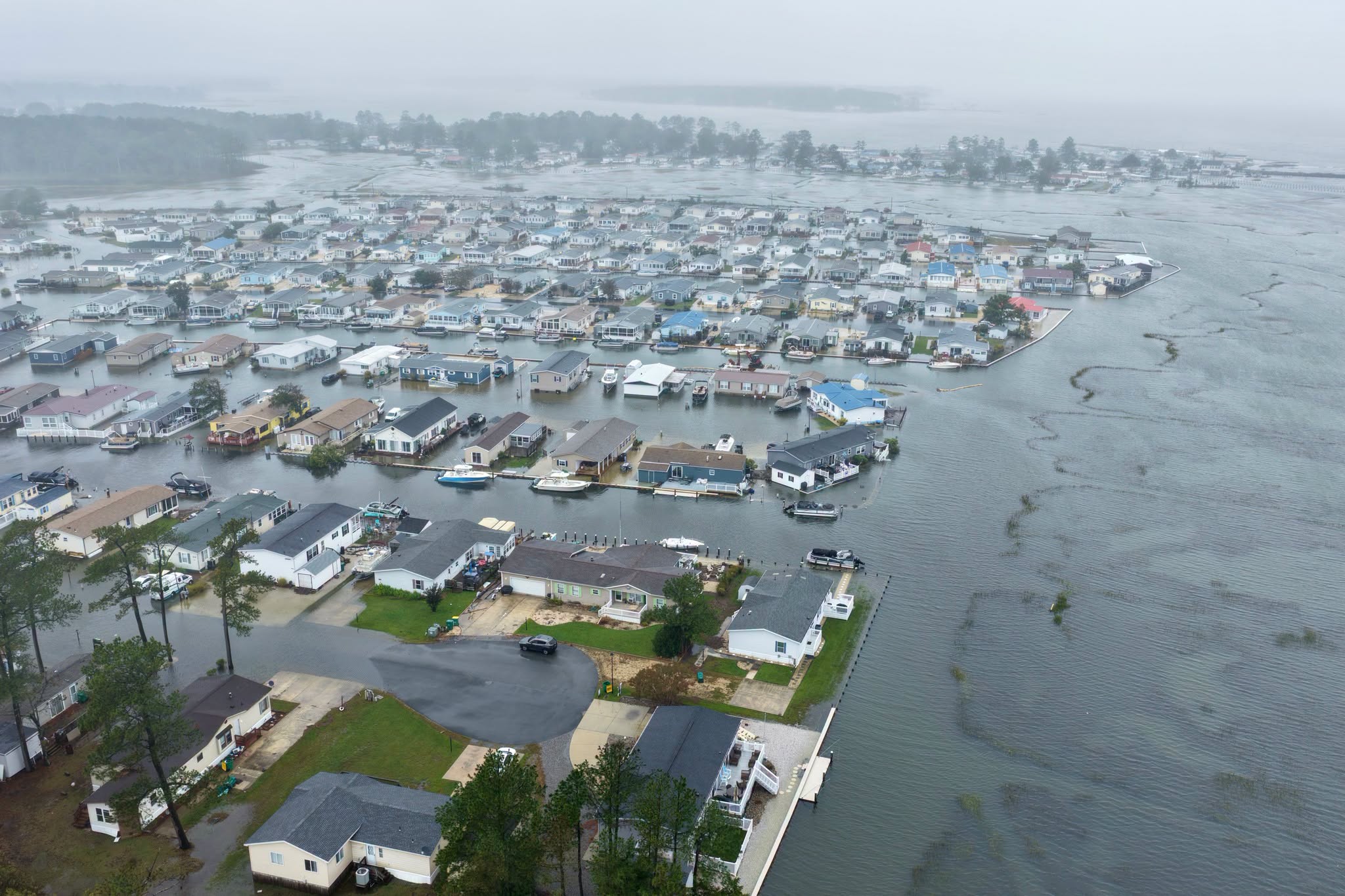
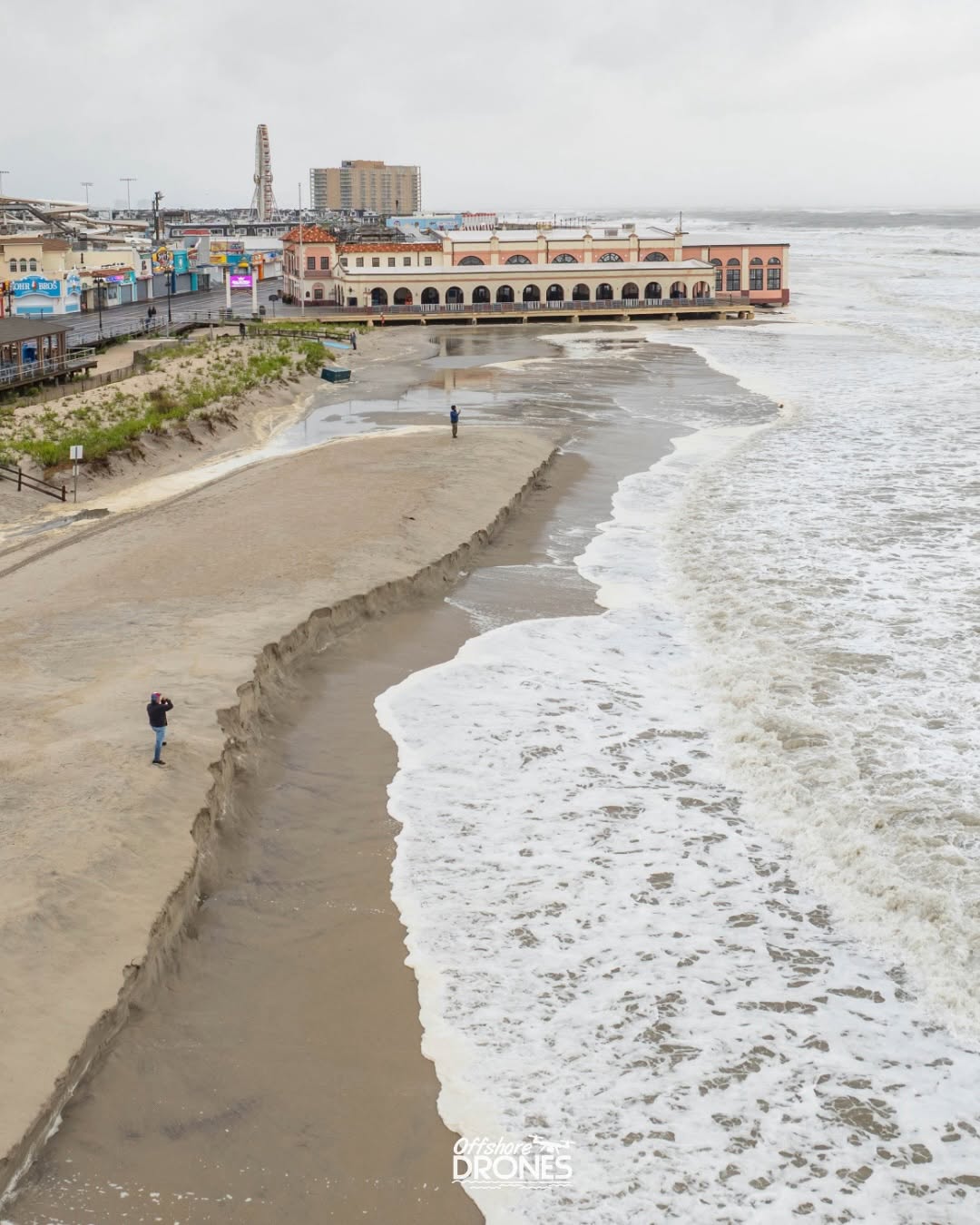
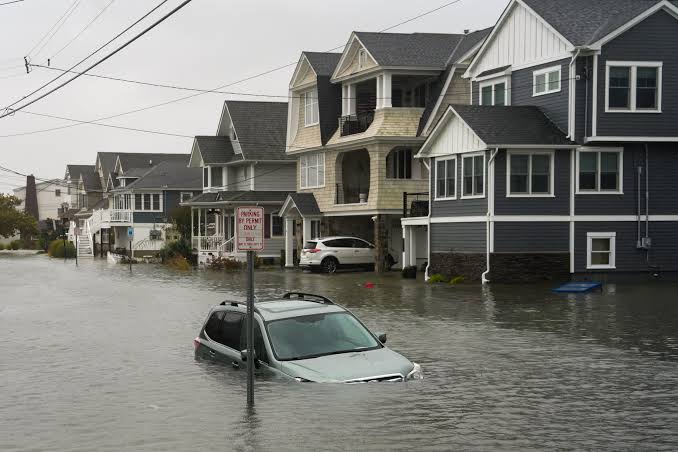
Atmospheric and oceanic energy → extreme weather → physical impacts → infrastructure damage → economic losses
Introduction
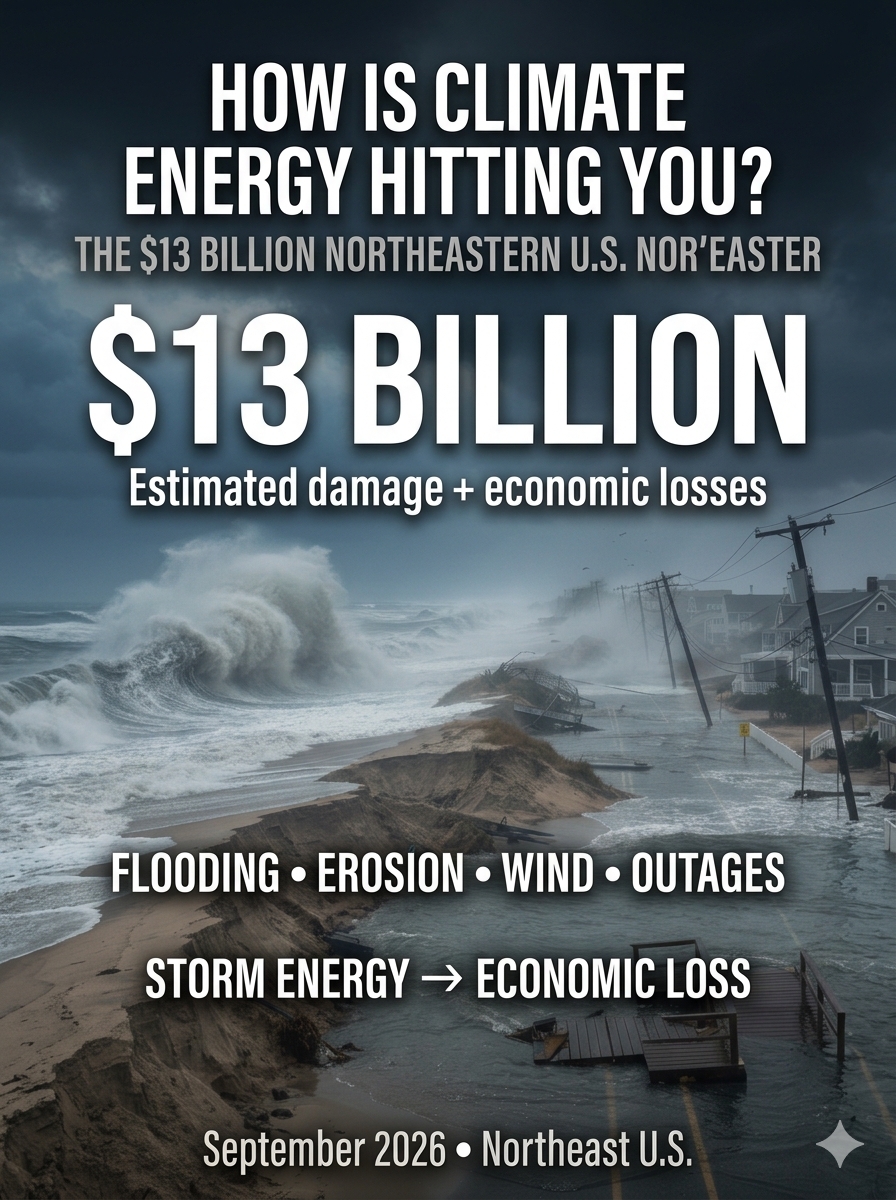
The late-September 2026 nor’easter turned atmospheric and oceanic energy into a massive economic event.
$10–13 BILLION in estimated damage and economic losses.
Flooding.
Beach and dune erosion.
Downed trees.
Power outages.
Infrastructure damage.
Transportation disruption.
The storm demonstrates a simple connection:
STORM ENERGY → FLOODING + EROSION + WIND → DAMAGE → ECONOMIC LOSS
Climate energy does not remain an abstract number measured in joules.
It reaches us through the places where we live, the infrastructure we depend upon, and the economic systems that connect us.
Read the full paper:
The $13 Billion Northeastern U.S. Nor’easter
The late-September 2026 nor’easter delivered a powerful reminder that climate and weather energy ultimately reach people through physical damage, economic disruption, infrastructure losses, and threats to human safety.
A preliminary AccuWeather estimate places the storm’s total damage and economic losses across the Northeast at $10 billion to $13 billion. The estimate includes more than direct property damage, incorporating economic disruption and longer-term impacts.
The Storm’s Major Impacts
- Coastal flooding: Repeated high-tide cycles produced significant flooding along the Mid-Atlantic and New England coasts.
- Beach and dune erosion: Powerful waves removed large quantities of sand and damaged coastal protective features.
- Infrastructure damage: Roads, boardwalks, beach access structures, utilities, and other infrastructure were damaged.
- Power outages: More than 100,000 customers across the Northeast were without electricity at the storm’s peak.
- Transportation disruption: Hundreds of flights were canceled, while roads, ferries, and other transportation systems were disrupted.
- Human impacts: A 56-year-old New York City Housing Authority employee, Leighton Brown, was killed in Brooklyn when a falling tree struck him during the storm.
The Jersey Shore: Erosion, Flooding and Infrastructure Damage
The most concentrated physical damage occurred along exposed coastal communities.
Atlantic City
Atlantic City experienced some of its most severe beach erosion since Superstorm Sandy in 2012. A particularly hard-hit area extended for approximately a half-mile north of Steel Pier.
The storm carved deeply into the dunes, leaving steep sand escarpments and exposing previously buried structures. Atlantic City Beach Patrol officials reported that roughly half of the dunes remained in the affected area after the storm.
This is more than a cosmetic change to the beach. Dunes function as part of the coastal defense system. Removing large quantities of sand reduces the physical buffer between ocean waves and developed areas.
Brigantine
Brigantine also suffered extensive beach and dune erosion. City officials estimated that hundreds of feet of beach were washed away, while approximately 30 feet of dunes were lost in one particularly vulnerable area. Officials said the damage could amount to tens of millions of dollars.
The storm also damaged the city’s promenade. A newly installed beach-access ramp was torn from its foundation and carried approximately 30 blocks down the beach before being recovered. Sections of promenade railing were also damaged.
Mayor Vince Sera described the storm as producing exceptionally powerful ocean conditions, while city officials emphasized that the promenade and seawall helped protect homes and infrastructure from even greater damage.
Repeated Tidal Flooding
The storm’s slow movement and persistent onshore winds produced flooding over multiple high-tide cycles.
In Sea Bright, New Jersey, for example, successive tides repeatedly flooded neighborhoods rather than producing a single isolated flooding event. More than four inches of rain also fell in portions of New Jersey, adding freshwater runoff to the coastal flooding problem.
The combination of heavy rainfall + elevated ocean water + high tides + strong onshore winds created a compound flooding event.
Wind and Power Outages
Strong winds added another layer of damage.
Wind gusts reached 74 mph in Surf City, New Jersey, according to New Jersey officials. More than 22,000 New Jersey power outages were still being reported Sunday afternoon, while the regional outage total exceeded 100,000 customers at the storm’s peak.
Strong winds also brought down trees throughout the region.
In New York City, emergency officials reported more than 1,000 reports of downed trees across the five boroughs.
One of those falling trees killed Leighton Brown, a New York City Housing Authority maintenance worker, in Brooklyn. NYCHA later confirmed that Brown had been working an extra maintenance shift supporting the storm response.
New York City and Long Island
New York City experienced prolonged rain, strong winds, coastal flooding, and extensive tree damage.
From September 25 through September 27, New York City received approximately 2.5 to 3.8 inches of rain, while coastal water levels reached 8.95 feet in Jamaica Bay, 8.31 feet at The Battery, and 11.8 feet at Little Neck Bay. The Rockaways, City Island, and Howard Beach experienced some of the most severe flooding.
The storm therefore affected both the city’s inland infrastructure and its increasingly vulnerable coastal neighborhoods.
New England
The storm continued northward into New England, bringing heavy rainfall, strong winds, and coastal flooding.
In Scituate, Massachusetts, emergency officials estimated 4 to 6 inches of rainfall and warned of wind gusts approaching 55 mph, along with continuing coastal flooding during successive high tides.
Elsewhere in Massachusetts, rainfall totals approached seven inches in some locations, while coastal flooding and strong winds affected communities from the South Coast through Boston and farther north.
What Does a $13 Billion Storm Mean?
The $10–$13 billion preliminary estimate is not simply a bill for damaged houses.
The economic impact includes multiple interconnected losses:
Physical damage → infrastructure repair → business interruption → transportation disruption → utility restoration → emergency response → lost economic activity
Coastal communities may also face substantial future costs when beaches and dunes must be replenished, damaged infrastructure rebuilt, and protective systems strengthened.
The storm therefore demonstrates how atmospheric energy becomes an economic force.
Climate Energy Hits the Economy
A nor’easter is not itself proof that climate change caused a particular storm.
Nor’easters are natural weather systems, and individual storms arise from complex atmospheric and oceanic conditions. However, the damage produced by a storm depends not only on the storm itself but also on the environmental conditions into which it arrives.
Higher coastal water levels can increase the reach of storm-driven flooding. Heavy rainfall can compound coastal flooding. Loss of beach and dune volume can reduce natural protection. Dense development places more property and infrastructure in harm’s way.
The result is an important climate-energy connection:
Atmospheric and oceanic energy → extreme weather → physical impacts → infrastructure damage → economic losses
The September 2026 nor’easter provides a real-world example of that chain.
The Bottom Line
The preliminary $10–$13 billion price tag illustrates how quickly a few days of atmospheric and oceanic energy can become a massive economic event.
The most visible evidence was along the coast: beaches disappeared, dunes were cut apart, streets flooded, power failed, infrastructure was damaged, transportation was disrupted, and lives were lost.
Climate energy does not remain an abstract number measured in joules.
It reaches people through the places where they live, the infrastructure they depend upon, and the economic systems that connect them.
Barrier-Islands From the Jersey Shore to the Outer Banks
How Is Climate Energy Hitting You?
Taking the Temperature of Climate Change: Meeting of the Minds
Easy-to-Read Resources
→ The Hitchhiker’s Guide to Climate Change
For the basics: Climate Change Simplified
Climate Change: What Can I Do?
Anthropogenic Global Warming 101
Feedback Loops →
Tipping Points →
Acceleration →
Domino Effect
Feedback loops amplify climate change and can push interconnected Earth systems past critical tipping points. As tipping points are crossed, they can trigger additional feedback loops and destabilize other climate systems. This cascading "Domino Effect" compresses timescales, accelerates change, and increases the risk of rapid, nonlinear climate transformations.